How Tree Chemistry Eases Stress
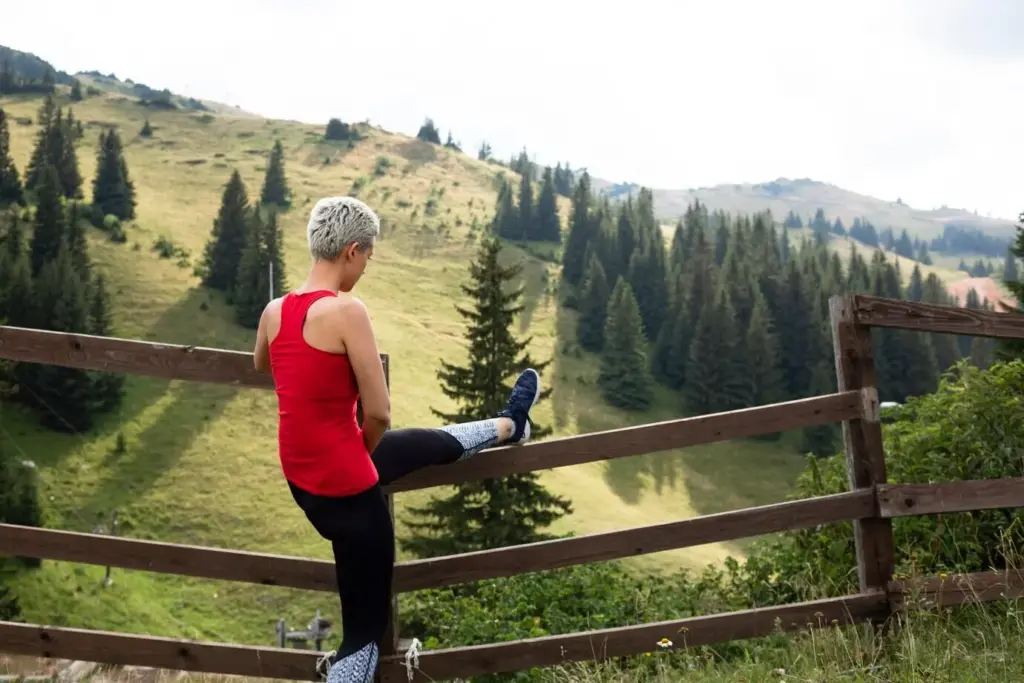
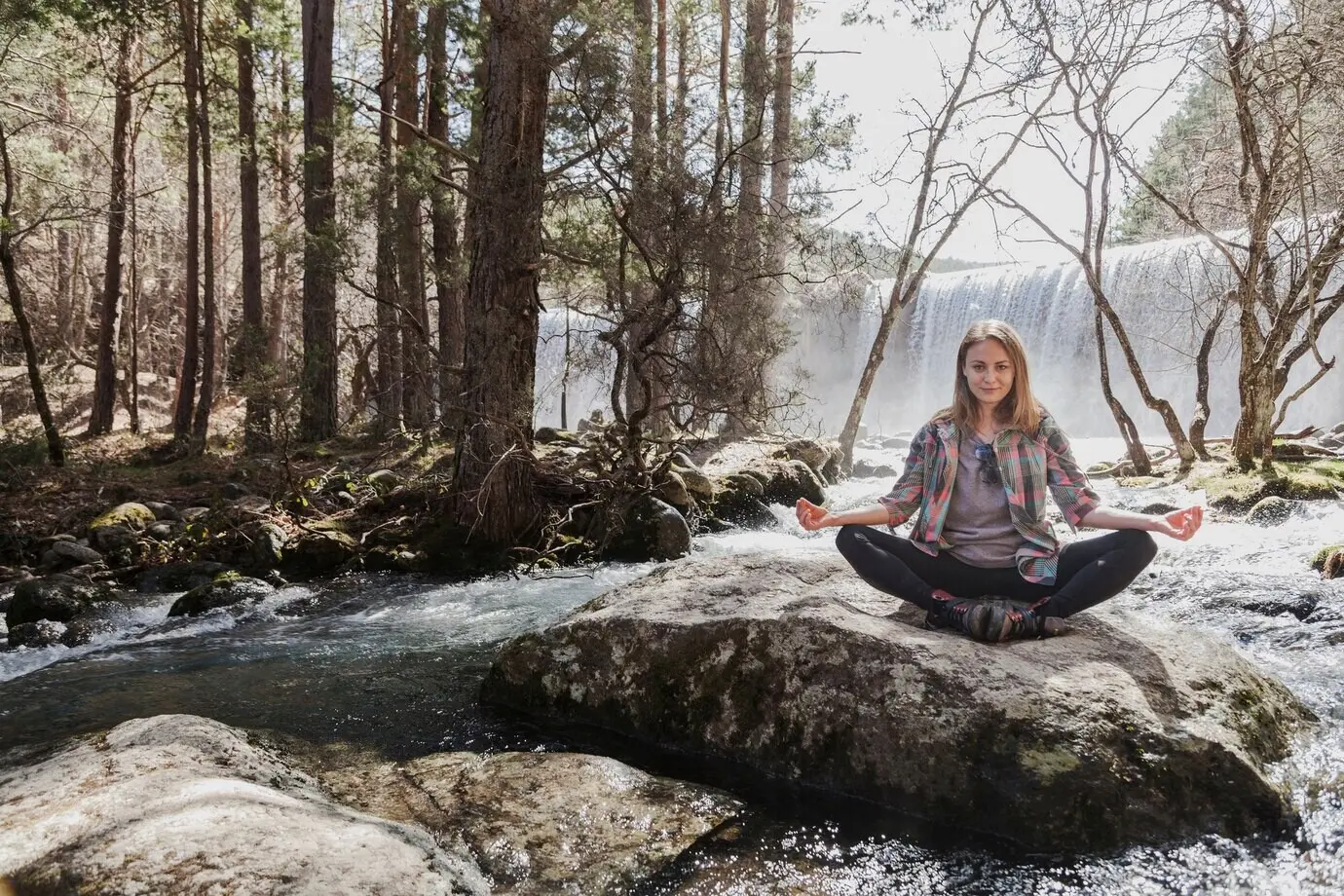
Conifers and beeches breathe out complex terpenes, sometimes called phytoncides, including α‑pinene and limonene. Studies link brief exposure to improved immune markers and calmer mood, especially when paired with unhurried walking and diaphragmatic breathing. The scent is not merely pleasant; it invites the nervous system to downshift, loosening the grip of vigilance. In the Julian foothills, this gentle chemistry rides afternoon breezes, arriving like a friendly, invisible companion who knows exactly when to speak softly.

Altitude, Light, and Restorative Sleep
Moderate elevations common around high valleys can reshape circadian rhythms by subtly adjusting light intensity and timing, especially at dawn and dusk. The first one or two nights may feel vivid; then deeper rest often follows as routines slow. Gentle acclimatization, ample hydration, and warm layers help the body welcome thinner air without strain. Many guests notice slower mornings, richer dreams, and a pleasant heaviness after sunset walks, as if the mountains themselves asked the mind to rest.
Cold Streams and Vagal Tone
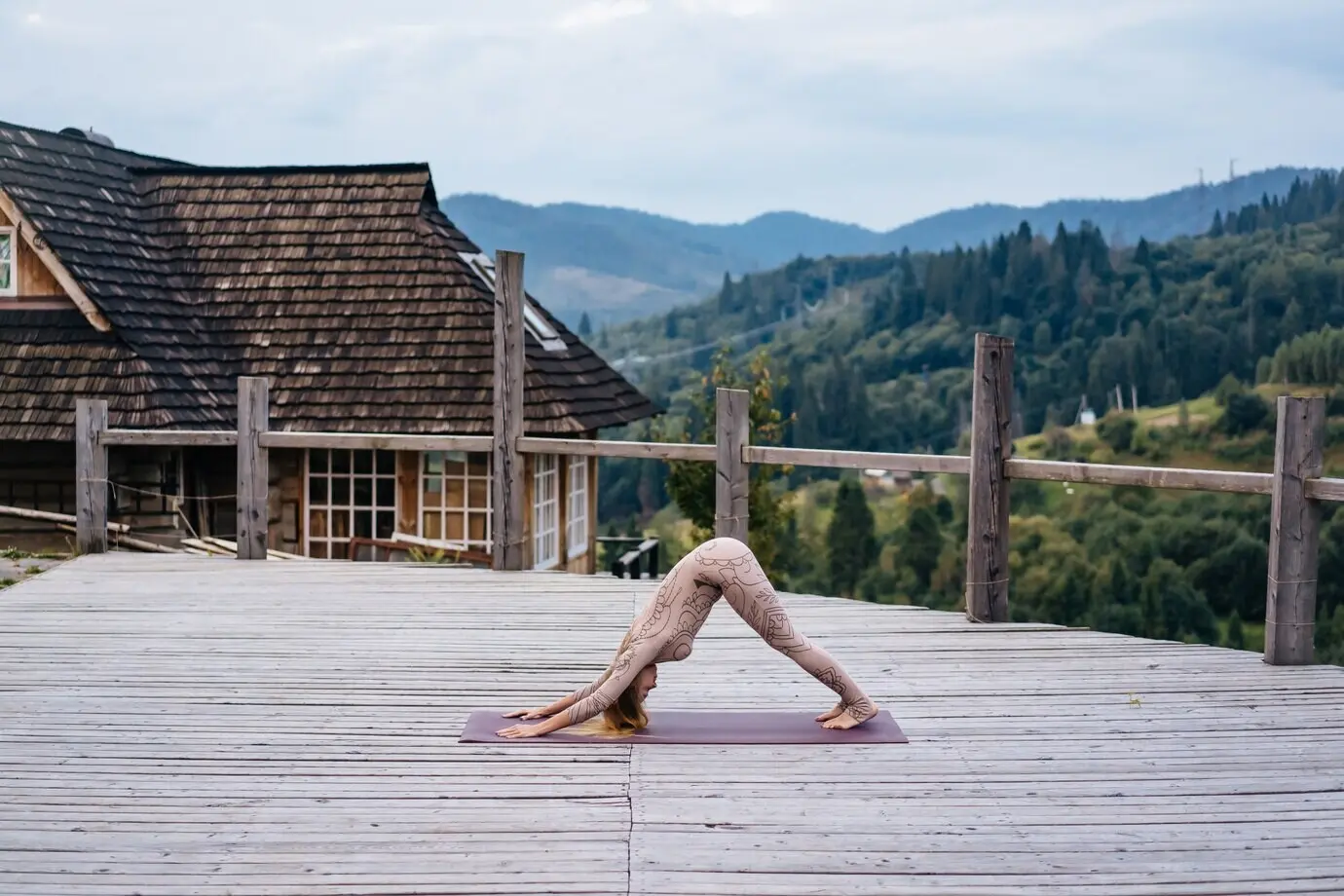
Brief, mindful encounters with cold water—like dipping hands near Soča’s singing side channels—can stimulate the vagus nerve, inviting steadier mood and a grounded presence. Rather than chasing intensity, practice respectful micro-immersions: wrists, ankles, then maybe calves. Pair sensations with measured exhales and a soft gaze across ripples. The result is less bravado, more conversation between body and landscape. Many recall later that the tiniest splash, not the bravest plunge, carried the day’s most renewing message.